
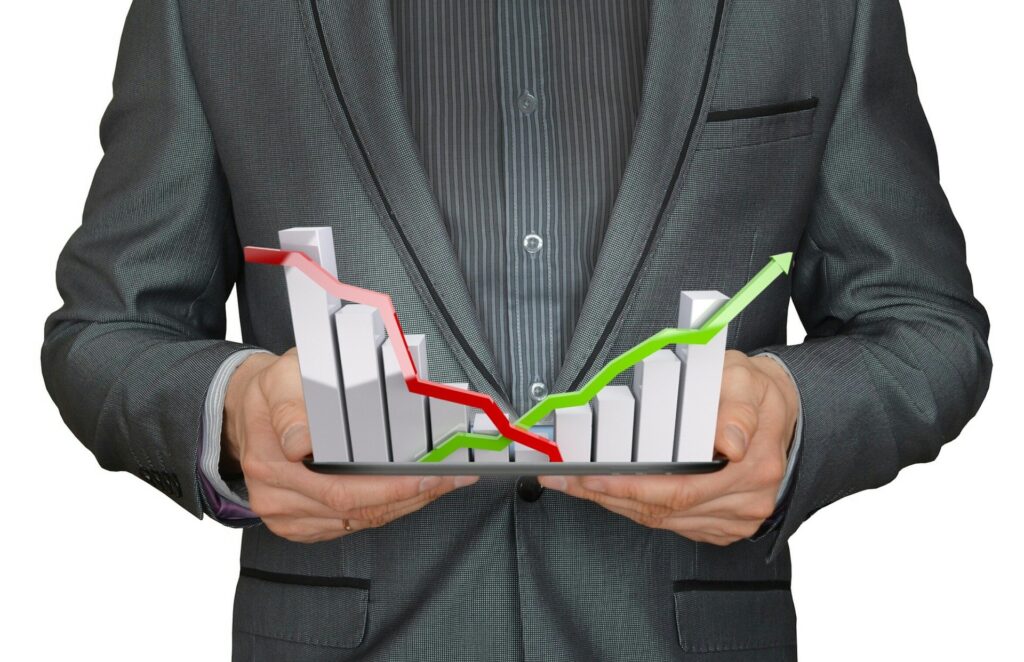
Lipstick made its initial cosmetic appearance in during the era of the Ancient Egyptians, but the theory that this beauty product can be used as an economic indicator was first recognized when the United States industrial production severely declined, while sales of lipstick (along with cheap entertainment) increased between 1929 and 1933 during the Great Depression.
Similarly, the chairman of Estée Lauder Companies Leonard Lauder noticed that his company sold much more lipstick after the September 11 attacks, claiming that the “lipstick effect,” has played an integral role in the company’s sales and thus perhaps lipstick purchases would be a good way to speculate on the economy.
What Is the Lipstick Effect?
The Lipstick theory speculates that consumers may skip more expensive luxuries, for cheaper thrills, such as lipstick, during economic doubt. Buying cheaper items allows consumers the psychological thrill of “retail therapy,” without unnecessary big item expenditure, and thus lipstick sales thrive.
From short and sweet to a little more nuanced here are the top 20 Christmas greetings to provide you with a variety of greeting options for your Christmas cards, emails and social media.
Some even claim that the theory stems from the idea that people not only want to feel good when times are tough but also must present themselves in a more appealing manner in order to compete for job positions. Thus, according to the theory, small luxuries designed to make them appear better aesthetically and in the work force are good, cheap investments, especially in a recession.
It appears it is a psychological phenomenon where appearance equals confidence, and confidence leads to a possibility of increased success in the work force, generating higher income. Even if the perfect lipstick does not get you the job, you will feel less guilty spending $20 rather than $500+ on a designer purse.
It’s Not Just Lipstick
The effect doesn’t appear to just stop at lipstick, but rather seems to be simply a euphemism for cheap goods. For example, mascara or fashionable consumer items that do not carry the designer price tag can also experience an increase of sales. Similarly, sales of gadgets tend to go up during a recession.
Economic Components
The lipstick effect does not suggest the same conclusions as general economic theory whereby hard times lead to a decrease in luxury good purchases and an increase of inferior goods, but claims that a shift to cheaper luxury goods is adopted by consumers. Richard DeKaser, the chief economist with National City Corporation, a financial holding company and bank, states that the lipstick effect is “…perfectly consistent with all kinds of economic theory.”
Some economists have noted an inverse relationship between the performance of the stock market, and yes, lipstick sales. During recessions, as the theory would predict, personal beauty products tend to significantly outperform the broader market. These so-called defensive stocks are based on products that are not as heavily impacted by economic downturns as fancy cars and fur coats.
Lips Looking Good
The theory to some might be worthy of a Nobel Prize. It seems simple yet intelligent enough; when we look good, we feel good and perform better. To others, you can dress the theory up with interesting anecdotes and history, but it does not change what it is: mere coincidence or simply false.
Adapted from http://www.investopedia.com/terms/l/lipstickindicator.asp by Efi Panagiotopoulou